Physical Address
304 North Cardinal St.
Dorchester Center, MA 02124
Physical Address
304 North Cardinal St.
Dorchester Center, MA 02124

Find Gear. Build Dreams. Game On.
Find Gear. Build Dreams. Game On.
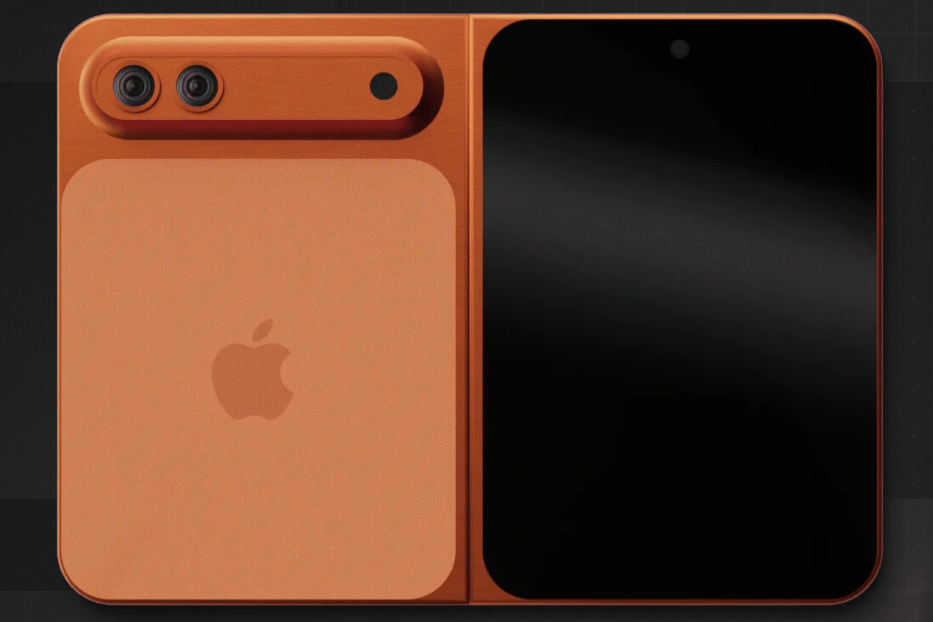
Apple is finally doing it. After years of “maybe next year,” the iPhone Fold is looking more real than ever — and honestly, I’ve been following this story for so long that it almost feels surreal to be writing this.
Whether you’re an iPhone die-hard, an Android fan keeping an eye on the competition, or just someone who loves staying up to date on cool tech, this one’s worth paying attention to. The iPhone Fold isn’t just another phone upgrade — it could be one of the biggest things Apple has done in years.
So let’s break it all down. Here’s everything we know so far.
This is the question everyone’s been asking, and we finally have a pretty clear picture — even without Apple officially saying a word.
From multiple leaks and supply chain reports, the iPhone Fold is going to use a book-style folding design, similar to Samsung’s Galaxy Z Fold. So think: a phone that opens up like a small book, not one that flips vertically like the Galaxy Z Flip.
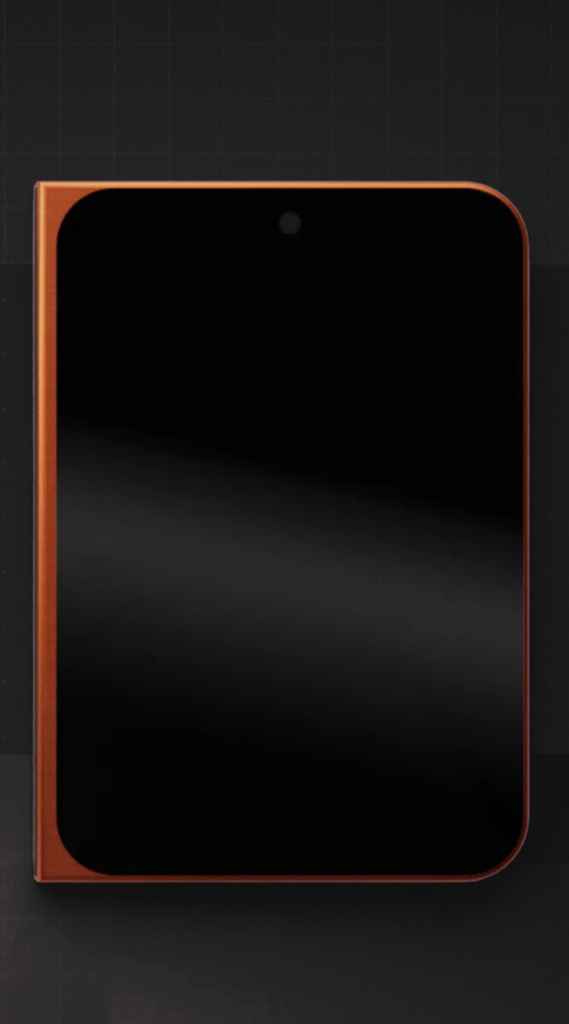
When it’s folded up, it’ll look and feel like a regular iPhone — a 5.5-inch outer screen (some sources say 5.3 inches). When you open it up? You get a massive 7.7 to 7.8-inch inner display, which is basically the size of an iPad mini. That’s wild.
According to CAD leaks that surfaced in late 2025, the device will be:
It’s also worth noting those squared-off edges near the hinge, which have shown up consistently across multiple leaker renders. Very Apple-like.
One thing that really stands out: there’s no Dynamic Island and no traditional notch on the inner display. Some sources suggest the inner screen will use an under-display camera, while the outer screen will have a punch-hole camera in the top-left corner.
Okay, this is the part I’m genuinely excited about — because the display tech here sounds next-level.
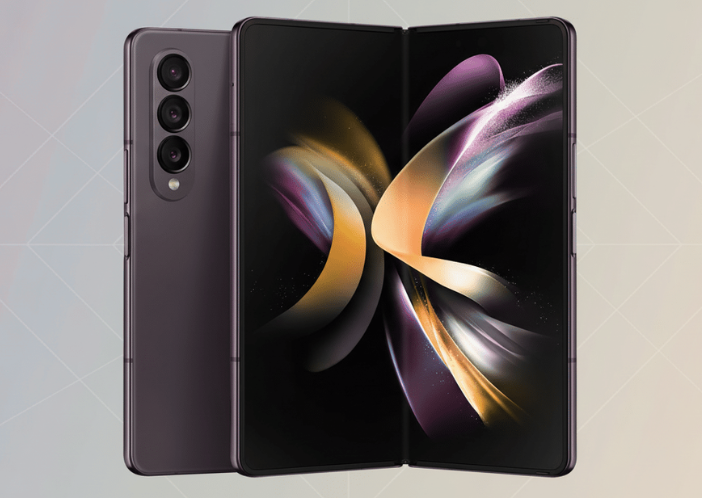
One of the biggest problems with foldable phones has always been the crease. You know that annoying visible line down the middle of the screen? Samsung, Google, and pretty much everyone else still have it to some degree.
Apple has apparently been obsessed with fixing this. Reports say they’ve pursued a crease-free design “regardless of cost”, and they’ve reportedly developed a “new material property” that makes the crease nearly invisible. At CES 2026, Samsung Display — which is reportedly the exclusive OLED supplier for the iPhone Fold — showcased a crease-less foldable panel that multiple sources linked directly to Apple’s device.
The tech reportedly uses a laser-drilled metal support plate that disperses stress when the screen bends. The result? A fold line that’s almost imperceptible when the phone is open.
The inner display is shaping up to be absolutely gorgeous:
Both screens look buttery smooth at 120Hz — yeah, this is going to be a gaming machine too.
Let’s talk internals.
The iPhone Fold is expected to run on Apple’s A20 chip, the same 2-nanometer processor rumored for the iPhone 18 Pro lineup. That means it’ll be Apple’s most powerful chip yet — more efficient, faster, and able to handle serious multitasking across that large inner screen.
This one’s interesting. The Fold reportedly has a four-camera system:
That’s a lot of cameras for one device. No periscope telephoto has been confirmed, which is a bit surprising for a premium device, but it makes sense given how much space the hinge and foldable display take up internally.
This one surprised me a little. Because of the internal space constraints that come with a foldable design, Apple is dropping Face ID on the Fold. Instead, it’ll use a Touch ID side button — basically the same setup as the iPad Air and older iPads.
It’s a trade-off, but honestly, for a phone this thin, I get it. And Touch ID works great.
Apple is apparently building iOS 27 specifically with the iPhone Fold in mind. Bloomberg’s Mark Gurman has described the update as a “Snow Leopard” style release — focused on performance and polish rather than flashy new features.
There will be new interfaces, multitasking layouts, and experiences designed specifically for the larger inner display. Think iPad-style split-screen and side-by-side apps, fully optimized for the iPhone ecosystem.
Alright, let’s get to the big questions.
Almost every credible source now points to fall 2026 — most likely September, alongside the iPhone 18 Pro and Pro Max. Apple apparently plans to skip the standard iPhone 18 this year and instead spotlight the Pro models alongside the Fold as its flagship lineup.
Supply chain analyst Ming-Chi Kuo confirmed in early March 2026 that mass production is targeting the second half of the year. Bloomberg’s Mark Gurman echoed a fall 2026 window. Apple is already stockpiling components, and Foxconn is expected to start production around October.
There’s still a small chance it slips into early 2027 — mainly due to hinge engineering complexity. Japan’s Mizuho Securities brought up the possibility of delays, and Apple has a history of holding products back if they’re not ready. But right now, the momentum is strongly in favor of a 2026 debut.
Brace yourself.
Current estimates put the iPhone Fold somewhere between $2,000 and $2,500. The most recent leaks lean toward the higher end of that range.
That’s a lot. But consider what you’re getting: Apple’s most advanced chip, a nearly crease-free foldable OLED display, a premium titanium build, and deep ecosystem integration. Compared to the Samsung Galaxy Z Fold 6, which currently sits around $1,799, Apple is positioning this as above that tier.
For context, a future iPhone Flip (clamshell-style) is also reportedly in the works, potentially launching in 2027 at a more accessible $999–$1,199. But that’s a story for another day.

I know a lot of you are going to want to compare these two, so let’s have a quick, honest look.
Samsung has a massive head start in foldables — seven years of iteration and refinement. The Galaxy Z Fold 6 is a seriously capable device. But Apple’s strategy here is pretty clear: enter late, but redefine the category.
Here’s a quick comparison based on what we know:
| Feature | iPhone Fold (Rumored) | Samsung Galaxy Z Fold 6 |
| Inner Display | ~7.76″ OLED, 120Hz | 7.6″ OLED, 120Hz |
| Outer Display | ~5.49″, 120Hz | 6.3″, 120Hz |
| Chip | A20 (2nm) | Snapdragon 8 Gen 3 |
| Crease | Nearly invisible | Visible crease |
| Thickness (unfolded) | ~4.5–4.8mm | ~5.6mm |
| Price | ~$2,000–$2,500 | ~$1,799 |
| Face ID / Biometrics | Touch ID | Fingerprint sensor |
In my opinion, if Apple pulls off the crease-free screen and the build quality lives up to the hype, this will be the foldable to beat — even at that price. Apple’s ecosystem lock-in alone is going to convince a LOT of iPhone users to upgrade.
Things have been moving fast in the last few weeks, so let me catch you up on the freshest iPhone fold rumors.
March 2026: Supply chain sources confirm Apple is stockpiling components ahead of mass production. Ming-Chi Kuo says the target is still second-half 2026. New renders from leaker Sonny Dickson show a camera “plateau” design similar to the iPhone Air — but with two rear lenses instead of one.
February 2026: MacRumors confirmed the device entered engineering validation at Foxconn back in November 2025. Samsung Display president publicly confirmed they’re making foldable OLED “preparations for a North American client” — widely understood to mean Apple.
January 2026: Engadget rounded up multiple consistent leaks all pointing to a fall 2026 launch, with the book-style design now firmly locked in. Earlier clamshell prototypes from 2024 have apparently been shelved — for now.
One interesting wrinkle: Apple may skip releasing a standard iPhone 18 entirely this fall, instead focusing on the iPhone 18 Pro, Pro Max, and iPhone Fold as its premium trio. That would be a big deal for how Apple positions this device — essentially treating the Fold as a flagship on par with (or above) the Pro Max.
If you’re into foldable phones, gaming performance, and staying ahead of what’s next in mobile tech, check these out: